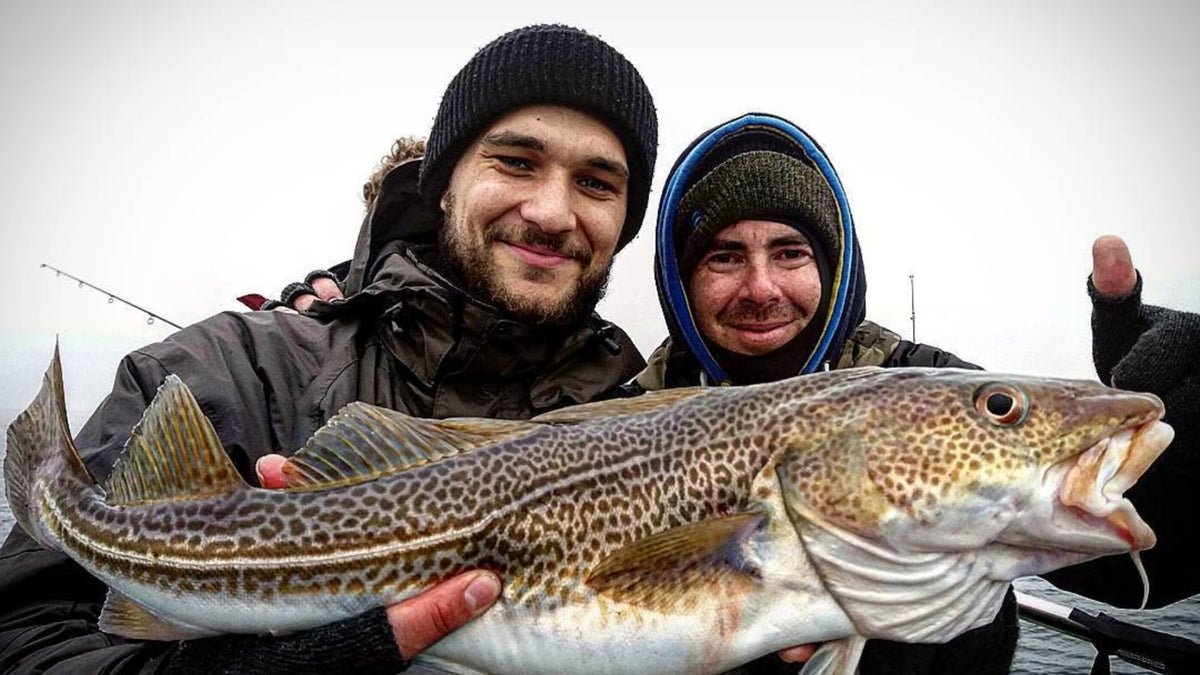


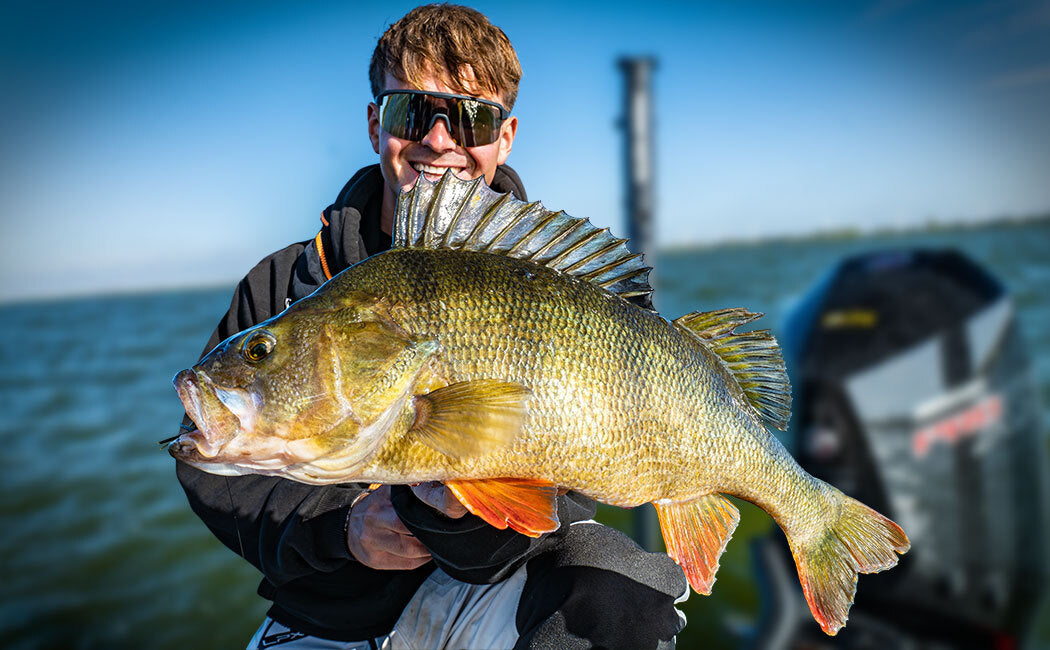
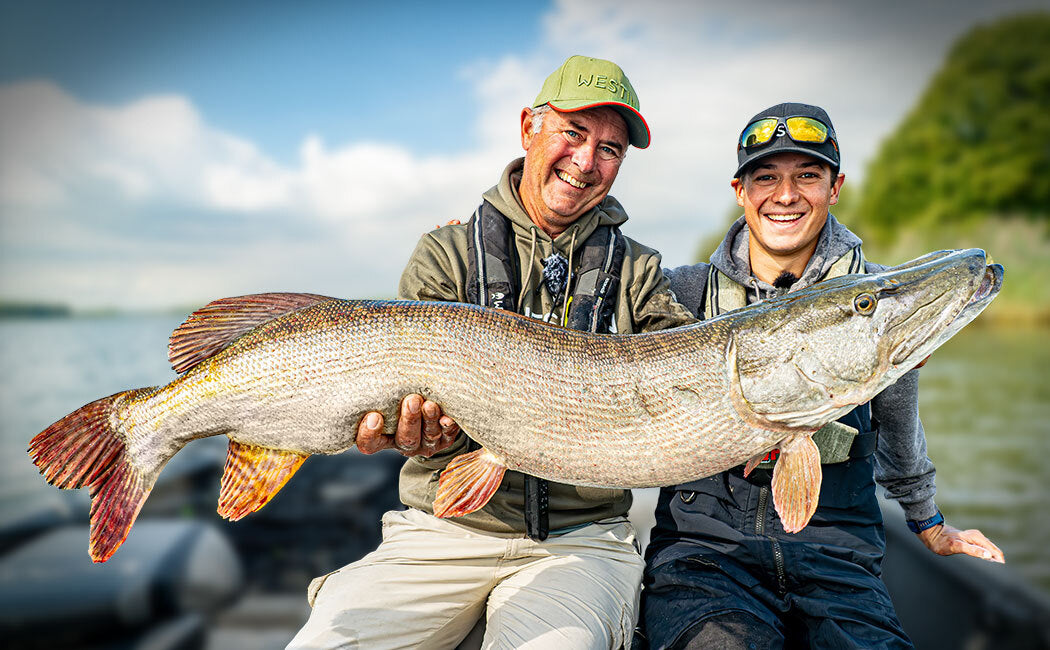
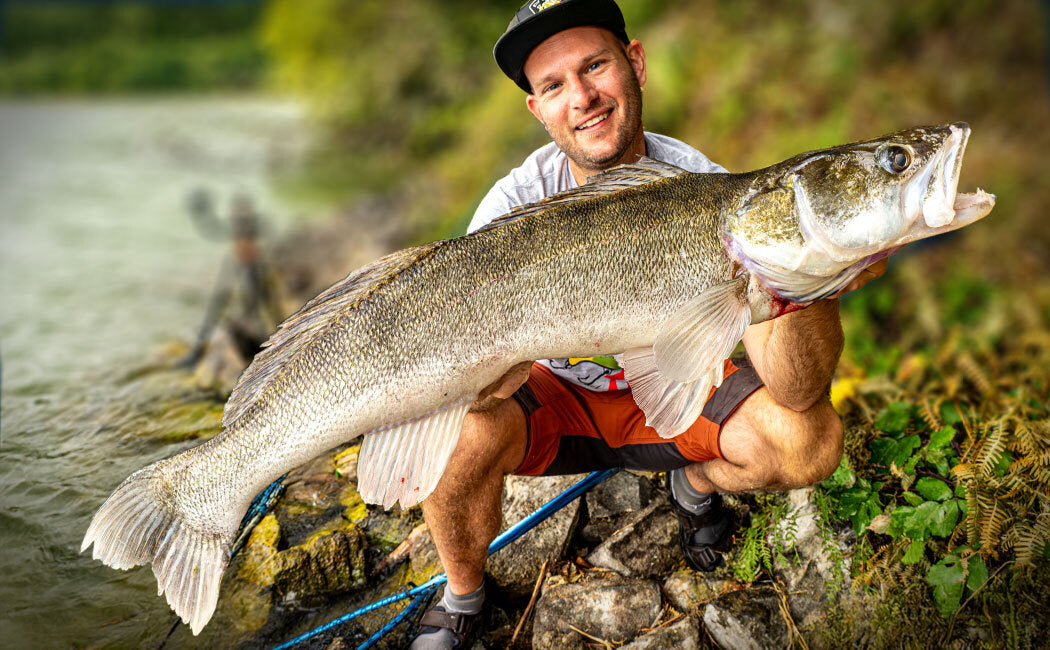
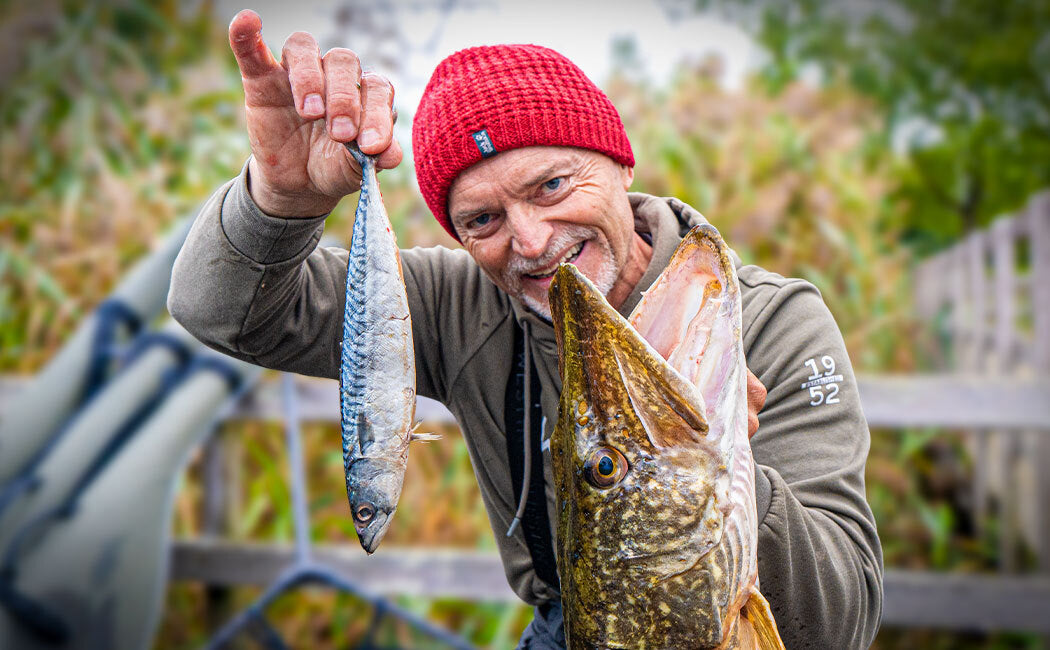
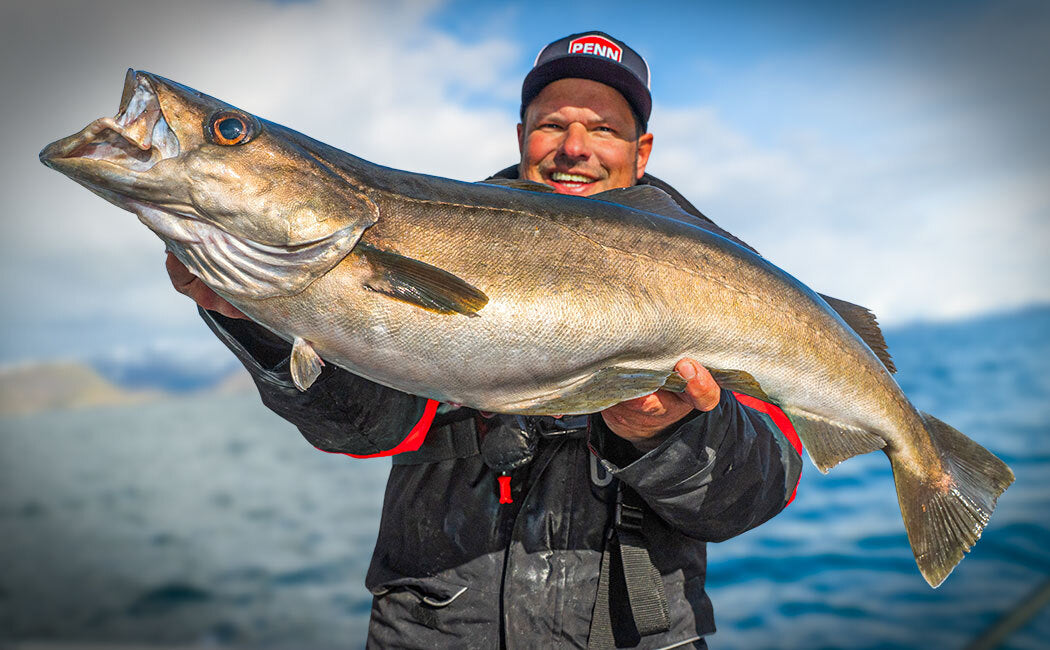









It exists — the pike in the carp lake! No matter how small a lake may be, that's no reason to assume there isn't a hefty predator calling it home. Many predator anglers try their luck exclusively on large, well-known waters. Small, unremarkable 'puddles' get no attention at all. What could possibly be swimming around in a water that tiny, you might wonder. The answer, more often than not, is a metre-long pike.
In this blog post, discover the Pike & Perch tips for successful predator fishing on (very) small angling lakes. Sharpen your instinct for what makes a good water for pike and other predators — and challenge any preconceived ideas you might have about productive spots and opportunities at the waterside.
Predators and Small Angling Lakes
As a general rule, you can safely assume that every lake holds at least a few predators. Some more, some less — that's perfectly natural and nothing out of the ordinary. As anglers, though, we tend to believe that a small angling lake hasn't got much to offer. We write off our chances and almost always end up choosing the larger water for our predator sessions.
We pin our expectations to the catches of those who came before us, and we endure long blank spells through sheer motivation alone. We know for certain that it's possible to catch a big pike, or a thick zander, from that well-known lake.
But what if you hadn't focused solely on that one large water? What if you'd made the most of every option available — and fished those small, unassuming lakes too?
We're pretty sure something just clicked for you, and you're thinking to yourself:
'Yes, of course — why not? Next session, I'll try my luck on the little club lake for a change.'
It's about stepping outside your personal comfort zone and trying something unfamiliar. Stop relying on recent catch reports and well-known hot spots. Instead, trust your own ability, experience and watercraft.
Catching fish on unknown, extra-small waters is the kind of experience that gets under your skin every single time — when your tactics pay off and an XXL predator rises from a tiny lake to smash your lure. When that quiet, dreamy puddle suddenly turns into a cauldron.

How Do Predators End Up in Small Lakes?
Nature and humans alike, often unseen and unnoticed, ensure that even the smallest angling lakes can hold large predators. Fry and small fish are transported over considerable distances by waterfowl. Flooding and waterway engineering also cause fish to be relocated — intentionally or otherwise. Add in nighttime illegal stocking and deliberate introduction of predators in years gone by, and the picture becomes clear.
If an older passer-by tells you about predator catches from that very spot 10 to 20 years ago, your hunting instinct should kick in immediately. The chance of landing an extra-large predator in a small lake like that is very high.
Prey Fish in Focus
Wels catfish were commonly introduced into various angling lakes during the 1980s and 1990s as a counterweight to rising populations of silver fish. The idea was that these voracious predators would reduce and regulate silver fish stocks to a manageable level. In practice it quickly became apparent that the catfish preferred quality species and certain selected silver fish. Trout, eel, tench, carp and crucian carp ranked far higher on the menu than bream, rudd, roach and the like. The original measure missed its target and made the situation worse in many places.
Pike are happy to take a roach or a small rudd. Fishery managers across the country gave pike a chance and introduced a few fish into small, overpopulated waters. This time the plan worked — though plenty of bream and white bream still remain in many angling lakes, as predators largely turn their noses up at these species.
Fish Growth: Good Catches Are Possible
Today we benefit from the experiments of previous generations when it comes to predators in small waters. Those 30 cm pike from years back are now impressive metre-length fish. Small 5 lb wels catfish can reach ten times their body weight surprisingly quickly. Zander are always capable of a fat, chunky surprise. The only thing standing between you and a successful catch on an extra-small angling lake is your attitude and your confidence in the spot and the lure.
Predator Lures for Small Lakes
Small lakes don't call for small lures by any means. It's worth a try, but first and foremost the same lures apply here as on any other water. Most small lakes typically consist of a shallow, partly weedy area alongside a slightly deeper section with no visible snags. Ideally there's an active inlet and outlet, which means there's always movement, fresh water and oxygen in the lake. A certain amount of aquatic vegetation is also a sign of a healthy water. With that picture of the small angling lake in mind, you can start thinking about the best lures for the job.
Vary Your Lures
When targeting predators on small waters, vary your lures. In the shallow sections with heavy weed and snags, topwater lures are the way to go. The Pike & Perch Summer Top Water Bundle is our recommendation if you're after a concrete lure tip. It contains five top lures that every predator angler should have in their lure box. Creature baits in the form of frogs and other creatures are particularly effective on small waters — and in many places are still completely unknown.
Fishing Hacks for Topwater Fishing
On the subject of topwater fishing, make sure you check out #FishingHacks with Ihno — he covers everything you need to know about fishing topwater lures:
Using Soft Lures
For the slightly deeper sections of small angling lakes — 2 metres or more — we like to fish a range of soft lures, such as the 18 cm Köfi from #LMAB.
Start by working the deeper water columns first, then switch to surface lures to cover the upper layers as well. If there's a lot of branches or leaf litter on the bottom, jig heads with a weedguard will protect your hook from snagging. In our shop you'll find both classic single hooks with weedguard, as well as double and treble hooks with weedguard.
Natural Bait for Angling Lakes
Finally, we always have natural bait rigs and rods held in reserve. If lure fishing your small water hasn't produced results, it's still well worth planning one or more natural bait sessions. One rod with a deadbait suspended under a float, and a second rod with a baitfish hard on the bottom — that combination will tempt even the wariest predator out of hiding.
Final Thoughts on Predator Fishing at Small Angling Lakes
Get your motivation together today, make the effort and go and explore those small angling lakes and the chunky predators living in them. You won't be disappointed — and you'll come away a good deal richer in practical experience. The best anglers are those who see potential in every lake, no matter how unremarkable it looks. Anglers who back their lures completely and never doubt their technique for a moment.
You'll only need to make minor adjustments to your tackle. Depending on the vegetation along the bank, a shorter rod can be very useful. The same goes for a compact, easy-to-carry landing net. Add a selection of quality lures and you're ready to go.
Mid-July is a particularly good point in the season for predator hunting on small angling lakes. Throughout the summer and autumn months, predators are very active. Once colder weather sets in, things quiet down fairly quickly on the extra-small waters. Water temperature drops faster here compared to larger lakes with a greater surface area and volume — you'll notice the predators becoming sluggish more quickly, and fishing natural bait on the bottom becomes the best option.
When fishing small angling lakes, always bear in mind that the fish will notice you sooner. Movement on the bank can potentially be detected across the entire lake, right down to the bottom. When lure fishing on small waters, we recommend wearing camouflage clothing. And crucially, make sure the sun is always in your face — that way you'll never cast a shadow that gives you away before you've even made a cast. Keep a little more distance from the bank than usual, and where possible, try crouching down.